
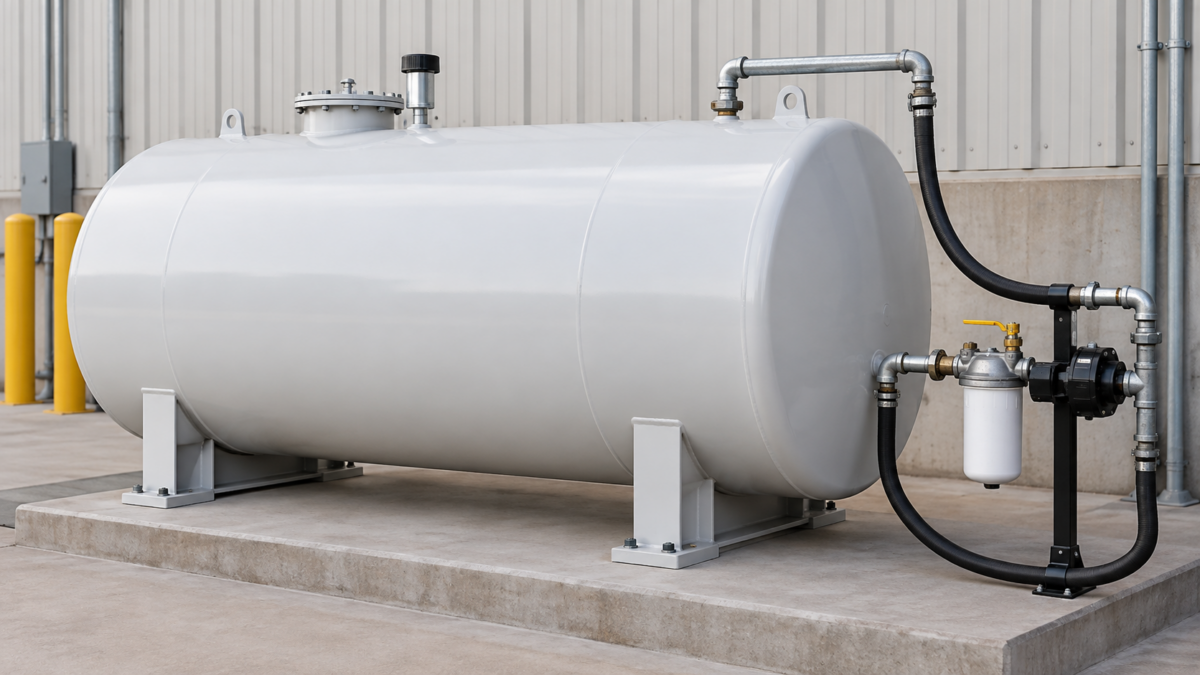
Stored fuel can break down over time, especially when it sits unused for long periods. For properties that rely on generators, equipment, or standby power systems, clean fuel plays a major role in dependable performance. Fuel polishing helps remove contaminants from stored fuel so the system has a cleaner supply when it needs to run.
What Is Fuel Polishing?
Fuel polishing is a cleaning process that removes water, sediment, sludge, and other contaminants from stored fuel. Instead of replacing the entire fuel supply right away, the process filters and circulates the fuel to improve its condition.
This service is often used for diesel fuel stored in tanks for generators, commercial equipment, and backup power systems. Since stored fuel can collect moisture and debris over time, cleaning it helps reduce the chance of fuel-related performance issues.
When done properly, the process can support smoother operation, better fuel quality, and improved system reliability. It is especially useful for standby generators that may not run often but must be ready during an outage.
Why Stored Fuel Can Become Contaminated
Fuel contamination can happen for several reasons. Moisture may enter the tank through condensation, loose fittings, or environmental exposure. Once water is present, it can contribute to microbial growth and sludge buildup.
Sediment can also collect at the bottom of a tank over time. As the fuel sits, small particles and degraded fuel byproducts may settle and create buildup that can clog filters or affect engine performance.
Temperature changes can make the issue worse by encouraging condensation inside the tank. This is why fuel quality should be part of routine generator care, especially for systems that depend on stored fuel during emergencies.
How the Fuel Cleaning Process Works
During service, fuel is drawn from the tank and passed through filtration equipment designed to capture water, dirt, rust, sludge, and other contaminants. The cleaned fuel is then returned to the tank so it can circulate through the system.
The process may continue until the fuel reaches a cleaner and more stable condition. Larger tanks or heavily contaminated tanks may require more time because there is more fuel to process and more buildup to remove.
If testing or inspection shows water, sludge, or heavy sediment in the tank, fuel polishing can help clean the stored fuel before it reaches the generator. This helps protect the equipment that depends on that fuel supply.
What Contaminants Can Be Removed?
One of the main goals of the process is to remove water. Water in a fuel tank can lead to corrosion, microbial growth, and poor combustion. It can also cause engine problems if it reaches the fuel system.
Fuel cleaning can also remove sediment and sludge. These materials may clog filters, restrict fuel flow, and make it harder for the generator or equipment to run properly.
In some cases, microbial contamination may also be present. This growth can create dark buildup in the tank and may return if the fuel system is not properly treated and maintained.
Signs Your Fuel May Need Service
Fuel problems are not always obvious right away. In many cases, the first signs appear when the generator struggles to start, runs roughly, or shuts down unexpectedly during operation.
Clogged filters can also point to contaminated fuel. If filters need to be replaced more often than usual, the fuel tank may have sediment or sludge buildup that needs attention.
Visible fuel discoloration, foul odors, water in the tank, or unusual residue during inspection can also suggest that service is needed. These signs should be addressed before the system is needed during an outage.
Why Fuel Quality Matters for Generators
A generator can only perform as well as the systems supporting it. Clean fuel helps the engine start properly, run smoothly, and maintain dependable output during use.
Contaminated fuel can place extra strain on filters, pumps, injectors, and other components. Over time, this can lead to poor performance, unexpected shutdowns, or more expensive repairs.
For standby generators, fuel quality matters because the system may sit unused for long stretches. When an outage occurs, the generator needs to respond right away, and poor fuel condition can interfere with that response.
When Should You Schedule Service?
Service may be needed if fuel has been stored for a long time or if testing shows water, sediment, or microbial growth. It may also be recommended after a tank inspection reveals buildup or contamination.
Generator owners should consider fuel cleaning before storm season or before periods when backup power is more likely to be needed. Cleaning the fuel in advance can help reduce the chance of problems during an outage.
A professional can evaluate the fuel, inspect the tank, and recommend whether cleaning is necessary. This helps avoid guesswork and supports a more reliable backup power plan.
How Clean Fuel Supports Preventative Maintenance
Clean fuel is often part of a larger preventative maintenance plan. A generator depends on steady fuel flow, proper combustion, and clean system components to operate as intended.
During a maintenance visit, technicians may inspect fuel filters, check for moisture, review tank condition, and look for signs of buildup. These steps help identify problems before they affect the generator.
Pairing fuel care with regular generator maintenance can help extend the life of the system and reduce the risk of fuel-related breakdowns. This is especially valuable for properties that depend on backup power for safety, comfort, or business continuity.
Why Professional Service Matters
Fuel systems require proper equipment and careful handling. Professional service helps confirm that the fuel is filtered correctly and that contaminants are managed safely.
Technicians can also identify related concerns, such as tank corrosion, water intrusion, or recurring contamination. These issues may need attention beyond fuel cleaning alone.
Professional service also helps protect the equipment connected to the fuel supply. By addressing contamination early, property owners can reduce the chance of generator problems when reliable power is needed most.
Keep Your Fuel System Ready
Clean stored fuel helps generators and other equipment perform more reliably during outages. Removing water, sediment, sludge, and other contaminants can reduce strain on the system and support better long-term operation.
If your fuel has been sitting for an extended period, your generator is running poorly, or you suspect contamination, professional service can help. To schedule fuel service or ask about your system, connect with Mid-Atlantic Generators today.